Welcome to Just One Thing Nursery and Gardens!
Let's Get Growing!
Florida's November Planting Guide
What’s Up In Florida’s November?
The Deep Winter Garden
November marks the definitive arrival of Florida’s dry winter climate. The chaotic storms of autumn are completely replaced by clear, brilliant blue skies and stable weather. Across the entire peninsula, the gardening landscape shifts into a true market-garden schedule, focusing heavily on cool-weather crops and cold-hardy staples, while we are continuing to harvest some of our abundant summer crops (like Roselle!).
🌡️ The Microclimate: Peak Dry Season & Falling Temperatures
November delivers highly predictable, crisp, and arid conditions that make outdoor garden management exceptionally pleasant.
- The Temperature Drop: Regular continental cold fronts sweep down the state, bringing noticeably cooler daytime temperatures (70s) and chilly, clear nights.
- The Aridity Factor: November is historically one of the absolute driest months of the year in Florida. Natural rainfall drops significantly, meaning your garden will rely almost entirely on your irrigation setup (in raised beds; “food guilds” with living mulch behaves differently, holding onto moisture for longer periods of time).
- Deepening Dormancy: Dropping soil temperatures and brief winter day lengths cause tropical perennials to completely halt their growth, with many dropping leaves to conserve energy for the winter.
What To Grow! Click on your region below.
Don’t forget to check out our Full Monthly Planner (click there or on the bar above!) to get more information and details or to look ahead to the coming months!
North Florida Planting Guide
What To Grow
Start by Seed (Direct Sowing or Trays)
- Root Crops: Carrots, Beets, Radishes, Turnips, Rutabagas, Leeks, Parsnips, Bunching onions/Green onions, Bulb onions, Garlic cloves, Shallots (Direct-seed only).
- Brassicas & Cool Greens: Spinach, Mustard greens, Turnip greens, Arugula, Kale, Collards (Direct-seed only; open soil sprouts slowly now but handles frost easily).
- Legumes: English peas, Snap peas, Snow peas (Direct-seed only).
Install as Transplants or Cuttings
- Brassicas & Hardier Greens: Broccoli, Cabbage, Cauliflower, Kale, Collards (Install established transplants only; seeds will take too long to grow from scratch in the cold).
- Berries: Strawberries (Install immediately if you missed the October window).
- Perennial Herbs: Common oregano, Rosemary, Thyme, Sage, Parsley, Cilantro.
November In North Florida — Facing The First Freezes
By November, North Florida (Zone 8b/9a) enters true winter conditions. Gardeners can expect their first light frosts and occasional hard freezes by the end of the month, dropping night temperatures into the 30s and low 40s.
- The Gardening Vibe: Cold-Hardy Maintenance. Warm-season crops are finished. The garden is entirely dedicated to structural winter vegetables that become sweeter and crisper after a frost.
- The Strategy: Focus on succession-seeding cold-hardy root crops (carrots, radishes, turnips) and hardy winter greens (spinach, mustard greens). Ensure all established winter brassicas (broccoli, cabbage, kale) are heavily mulched. Keep your frost blankets organized and ready to throw over beds at a moment’s notice.
Central Florida Planting Guide
What To Grow
Start by Seed (Direct Sowing or Trays)
- Root Crops: Carrots, Beets, Radishes, Turnips, Kohlrabi, Bunching onions, Bulb onions, Garlic cloves, Shallots (Direct-seed only).
- Brassicas & Cool Greens: Lettuce, Spinach, Arugula, Endive, Swiss chard, Kale, Collards, Mustard greens, Turnip greens.
- Legumes: English peas, Snap peas, Snow peas (Direct-seed only; November is the optimal window to launch sweet winter peas).
Install as Transplants or Cuttings
- Brassicas & Greens: Broccoli, Cabbage, Cauliflower, Brussels sprouts, Kale, Collards, Lettuce, Celery.
- Berries: Strawberries (Install transplants for winter and spring berries).
- Herbs: Common oregano, Rosemary, Thyme, Sage, Lavender, Parsley, Cilantro, Dill.
November In Central Florida — The Sweet Spot Of Abundance
November is an absolute prime production month for Central Florida (Zone 9b/10a). The soil is perfectly cool, pest populations have plummeted to their lowest levels of the year, and the risk of a hard frost is still exceptionally rare.
- The Gardening Vibe: The Winter Kitchen Garden. This is the premium month to enjoy effortless outdoor cultivation. The blistering heat is gone, and the soil moisture is completely under the gardener’s control via irrigation.
- The Strategy: Mass-plant sweet winter legumes (English, snap, and snow peas), which climb beautifully in the mild winter sun. Continue succession-planting winter salad greens (lettuce, arugula, endive, Swiss chard) and crunchy root crops. Ensure your winter strawberry transplants are well-fed as they begin to push out their first early blossoms.
South Florida Planting Guide
What To Grow
Start by Seed (Direct Sowing or Trays)
- Nightshades & Cucurbits: Standard tomatoes, Bell peppers, Hot peppers, Eggplants, Everglades tomatoes, Cucumbers, Zucchini, Yellow squash.
- Legumes & Pods: Green beans (Bush & Pole), Lima beans, Yardlong beans.
- Brassicas & Cool Greens: Broccoli, Cabbage, Cauliflower, Brussels sprouts, Kohlrabi, Kale, Collards, Mustard greens, Lettuce, Endive, Spinach, Arugula, Swiss chard.
- Root Crops: Carrots, Beets, Radishes, Turnips, Rutabagas, Bunching onions, Bulb onions (Direct-seed all month).
Install as Transplants or Cuttings
- Nightshades: Standard tomatoes, Bell peppers, Hot peppers, Eggplants, Everglades tomatoes.
- Brassicas & Greens: Broccoli, Cabbage, Cauliflower, Lettuce, Celery.
- Herbs & Perennials: Common oregano, African blue basil, Cuban oregano, Strawberries, Papaya, Banana plants.
- Holding/Dormancy Note for Tropical Roots: Do not plant new tubers of Achira, Arrowroot, Cassava, Malanga, Taro, Yams, or Gingers. While they survive South Florida winter temperatures, they naturally slow down root production this month to rest until spring.
November In South Florida — The Tropical Summer Equivalent
While the northern tiers of the state shield themselves from the cold, South Florida (Zone 10b/11) is experiencing its premium, Mediterranean-style “summer.” The weather is gorgeous, warm, and completely free of oppressive humidity.
- The Gardening Vibe: Peak Commercial Production. South Florida gardeners are operating at maximum capacity. This is the ultimate window for heavy-yielding nightshades and standard green bush beans.
- The Strategy: Continue mass-installing main-season tomatoes, bell peppers, eggplants, and cucumbers. Because the soil is perfectly warm and the rain has stopped, these crops thrive with minimal fungal pressure. Concurrently, plant cold-season brassicas and lettuces, which finally grow comfortably without frying under an intense sun.
Heads Up! Highlighted Posts, News, and More!
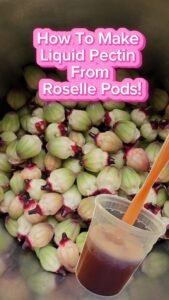
How To Make Liquid Pectin From Roselle Seed Pods!
I was so excited to finally have the opportunity to make this liquid pectin this season! After plenty of reading, research, and chatting with others, this is what we got - and it came out amazing! See the recipe below, and look at the links in this post to see how to make Roselle Jam with this Seed Pod Liquid Pectin! Don't forget - stay tuned, there will be many more recipes to come!
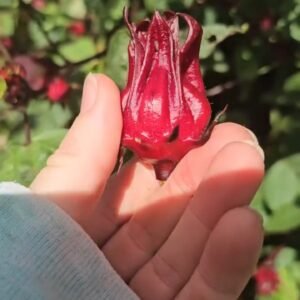
So When DO I Harvest My Roselle?
(Sept. 2026) It's Roselle season here at J.O.T.! While some have already been pulling in their first harvests, and others are continuing to wait for their first buds, we are gearing up to start pulling in daily Roselle calyxes. One of the biggest questions I get is about just that; when it is the best time to actually harvest the Roselle calyxes, and how.
Florida Cold Weather Action Plan
The DO'S and DON'TS of cold weather prep for Florida! Learn the proper way to protect your food Forest and annual crops PRE cold weather event and how to handle the aftermath.
Recent Posts
Post Categories – See What There Is To Learn!
J.O.T. Nursery Shop!
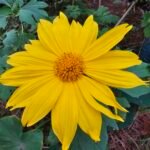
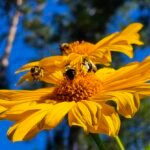
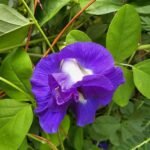
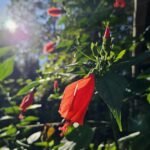
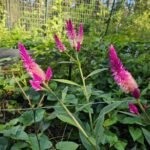
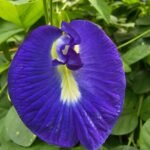
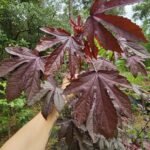
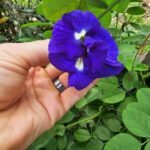
**COMING SOON** Click here or on the pictures above to take a peek at what we’re currently offering in our little nursery shop, and get started on your Food Forest adventure! We hope you enjoy checking out all the amazing plants, cuttings, and gifts that we have for you to add to your home, no matter how big or small your growing space!
Book A Tour, Visit, Or Pick-Up
Click on the pictures above for a variety of methods to schedule a visit to the plant nursery and browse our stock, a personal tour of the food forest and gardens, or to pick up an order, as well as to read about why you should schedule a tour and what to expect.
Hey!
I’m here to tell you something important.
Something that I feel like every aspiring gardener, homesteader, or small home farmer needs to hear. For everyone that is feeling overwhelmed, lost, scared, or even defeated; for every person that’s excited to begin but doesn’t know where to start; for those who have begun but feel like they’re floundering; for old and young, for 9-5’ers or stay at home parents; for over-thinkers or Lets-Wing-Its; for those of you who are convinced you have a “black thumb,” not enough space, bad soil, or that there’s no way you can possibly make the time to achieve your goals. I want you know this, and hear it loud and clear:
YOU CAN DO IT. I promise you.
All you have to do is get started with just one single thing. Honest. It’s that simple! And it would be my honor to help you on that path.
This is why “Just One Thing Nursery and Gardens” came about. Because I’ve been there, where you are, or have been. I’ve hit all the struggles, all the highs and lows. I’ve been so overwhelmed with life that I felt like I could never and would never achieve my goal of self-sustainability for my family. I even almost gave it all up. Yet in these moments, I found myself saying something over and over that got me off my rear-end and back into my muck boots:
“Just one thing. Just go do ONE thing.”
And so I would. Then a week would pass, and seven things had been done. Then fourteen things. Then thirty. And four years later, I have a producing (and still growing!) food forest, complete with livestock, an absolutely thriving micro ecosystem where once there was bare land, all of which feeds us not just with food and medicines, but feeds our hearts and souls as well. All on just an acre of land. In the meantime, I’ve helped others establish mini food forests in even smaller spaces.
And now I want to share all of this with you!
So go ahead and take a look around the website. The “About Us” section will tell you a little more about our story. Take a peak at the “Getting Started” page if you need a landing point or quick guide. Our JOT Journal will have an ever-growing collection of information and growing experiments. Look at our Monthly Planner for a quick guide on what to get started with or plant in your Florida gardens right now. Take a look at the “JOT Library – Learn About Your Plants” section to understand better the amazing plants you can grow here and why you should grow them. Visit the Just One Thing Nursery and Gardens Facebook for daily updates from myself and other JOT-ers, as well as experiments and other learning opportunities. Check out My Recommendations for books, tools, and YouTubers that have helped me on my growing journey and that I think can help you, as well as other recommended nurseries that I’ve had personal experience with.
Or, if you’re ready to jump right into, hop right over to our Nursery Plants, and start on your JOT Journey! And if you’re feeling really adventurous, come visit the Nursery for yourself! Contact Me ahead of time with any questions, or if you’d like a personal tour of our JOT Food Forest and Gardens.
But most importantly – enjoy yourself, and don’t give up. You’ve got this. And we’re here to help!